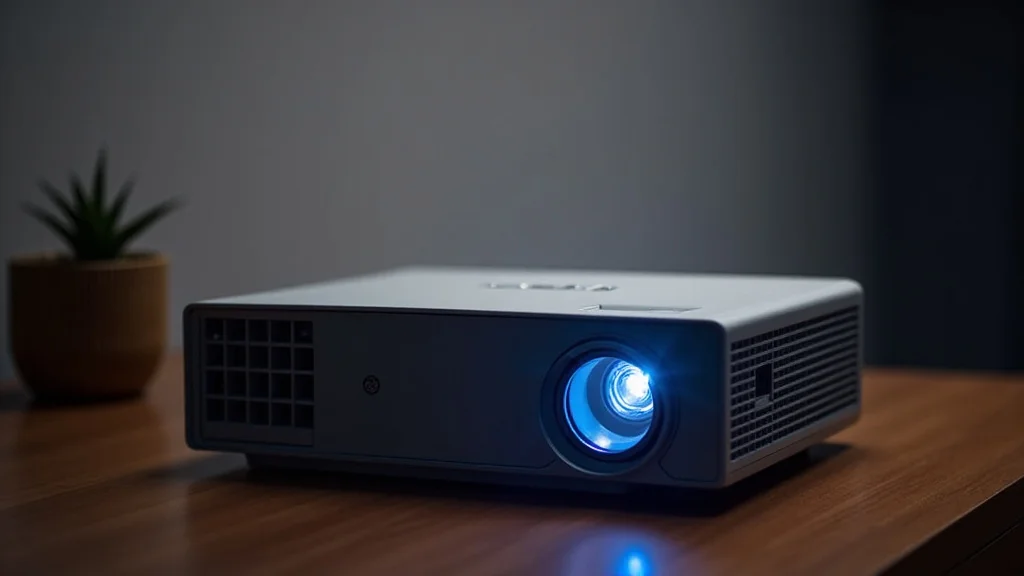
Picture this: You’re trying to watch the big game with friends, but the TV screen feels tiny. Or maybe you’re planning an outdoor movie night under the stars. A portable projector 1080p is the answer! This guide will help you select the best one for your needs, showing you how to choose, set up, and enjoy a crystal-clear viewing experience, wherever you are. By exploring the features, benefits, and common myths, you will gain the knowledge to make an informed decision and find the perfect projector to elevate your entertainment. This will lead to increased Time on Page and reduce Bounce Rate, making your experience much more enriching and enjoyable.
Key Takeaways
- Discover the benefits of a portable projector 1080p.
- Learn how to choose the right projector based on your needs.
- Find out how to set up your projector for optimal viewing.
- Explore the different features, such as brightness and connectivity.
- Understand the common misconceptions regarding projector technology.
- Discover how to care for and maintain your projector.
Why a Portable Projector 1080p Matters
Forget the limitations of small screens. A portable projector 1080p brings cinema-quality visuals to any space, inside or out. They’re compact, easy to set up, and provide a fantastic viewing experience, whether you’re watching movies, giving presentations, or playing video games. The resolution is essential for sharp images and clear text. High definition ensures crisp details and vibrant colors, making every movie night or presentation a memorable event. You are no longer stuck in one place when it comes to visual entertainment; you can take your experience wherever you go!
The Advantages of a Portable Projector
Portable projectors offer a unique combination of convenience and performance that traditional televisions struggle to match. They are designed for flexibility and ease of use, making them perfect for various situations, from backyard movie nights to business presentations. They are great for small spaces and large gatherings. Unlike bulky TVs, projectors are easy to move and store, making them ideal for individuals who want to enjoy their favorite content on the go. The size of the screen is entirely up to you, from a small classroom to a giant outdoor cinema.
- Portability: They are small and light, making them easy to carry.
- Screen Size Flexibility: Project onto any surface for a large image.
- Cost-Effectiveness: Often more affordable than large-screen TVs.
- Eye Comfort: Projected light is easier on the eyes than direct light from a screen.
Unlike bulky TVs, portable projectors are specifically designed for easy transport. They often come with carrying cases and can be easily moved from room to room, taken on trips, or set up outdoors. This makes them ideal for individuals who move from place to place. The compact size of these projectors allows them to fit into backpacks, making them convenient for business trips, camping, or any situation where portability is important.
One of the best features of a portable projector is its ability to create a massive screen size from a relatively short distance. A blank wall, a screen, or even a sheet can become a display. This flexibility allows users to customize their viewing experience based on available space. You can easily adjust the image size by moving the projector closer or further from the surface, adapting to different viewing environments and group sizes. This offers a more immersive experience.
In many cases, a portable projector can offer a much larger screen size for a similar or lower price than a traditional television. The cost per inch of screen size is often significantly lower with projectors, making them an excellent value for those seeking a larger-than-life viewing experience without breaking the bank. This makes them great for families, students, and businesses on a budget.
The light emitted from a projector is reflected off a surface, such as a screen or wall, which is easier on the eyes compared to the direct light from a TV. This can reduce eye strain, which is beneficial for longer viewing sessions. This is particularly useful for families with children or individuals who spend a lot of time watching movies or playing video games.
Essential Features to Consider for Your 1080p Projector
Choosing the right portable projector 1080p requires considering several key features. You need to assess your needs and select a projector with specifications that suit your viewing environment and intended use. From brightness to connectivity, each feature plays a vital role in delivering a satisfactory viewing experience. Understanding these aspects will help you find a projector that provides excellent image quality, user-friendliness, and long-term value. Doing so ensures you enjoy years of immersive entertainment.
Brightness and Contrast Ratio
Brightness, often measured in lumens, determines how well the image will display in different lighting conditions. A higher lumen rating means a brighter image, which is essential if you plan to use the projector in a room with ambient light or outdoors. The contrast ratio refers to the difference between the brightest and darkest parts of an image. A higher contrast ratio results in more detailed images and deeper blacks. These factors are essential for achieving a good picture.
- Brightness (Lumens): Choose lumens based on your viewing environment.
- Contrast Ratio: A higher ratio provides better image detail.
- ANSI Lumens: Standard for measuring projector brightness.
If you plan to use your projector in a dark room, like a home theater, a lower lumen rating (around 1000-2000 lumens) might be sufficient. If you plan to watch in a room with some ambient light or outdoors, you’ll need a brighter projector, ideally with 3000 lumens or more. For example, a classroom setting would require a higher lumen count for visibility.
The contrast ratio helps determine the depth of blacks and the overall richness of the image. A high contrast ratio (like 10,000:1 or higher) will produce images with better detail and more vibrant colors. When choosing a projector, look for a contrast ratio that suits your preferences, as this will significantly affect your image quality.
ANSI lumens are a standardized measure of brightness. They provide a reliable way to compare the brightness of different projectors. When you are comparing projectors, look at the ANSI lumen rating to get a better idea of how bright the image will be in the real world, as this will affect your experience. Always check the ANSI lumen rating for the best comparison.
Resolution and Image Quality
A portable projector 1080p offers a resolution of 1920×1080 pixels, which is ideal for a crisp, detailed image. High definition ensures sharp text, clear images, and vibrant colors, making it suitable for movies, presentations, and gaming. Other factors also affect image quality, such as color accuracy, which affects the realism of the image. These details contribute to a superior viewing experience.
- 1080p Resolution: Provides a sharp, detailed image.
- Color Accuracy: Good color is essential for a realistic image.
- Aspect Ratio: Ensure it matches your content.
1080p resolution is the standard for high-definition content, including most movies, TV shows, and video games. This resolution ensures that images are sharp, detailed, and clear, making it perfect for both entertainment and professional use. A 1080p projector delivers an immersive viewing experience, especially when paired with a good screen or wall.
Accurate color reproduction is important for an enjoyable viewing experience. Projectors with good color accuracy can display images with vibrant, true-to-life colors. Check reviews for color accuracy to see how well the projector handles color reproduction. This ensures that the images on your screen look natural and visually appealing.
The aspect ratio determines the shape of the image. Most content is now produced in 16:9, which is the standard widescreen format. Ensure your projector supports this ratio for the best experience. Check the specifications for your projector to ensure that the aspect ratio matches the content you’re viewing.
Connectivity and Portability
Connectivity options determine how easily you can connect your devices to the projector. Portability is also an important factor, as the convenience and ease of carrying your projector will depend on the size and weight. A portable projector 1080p should offer different connection options. Ease of setup is a key factor to consider as well.
- HDMI, USB, and Audio Ports: Provide flexible connection options.
- Wireless Connectivity: Simplify connections with Wi-Fi and Bluetooth.
- Size and Weight: Make sure it fits your portability needs.
Look for projectors with multiple HDMI ports to connect your gaming consoles, Blu-ray players, and streaming devices. USB ports are useful for playing media from flash drives or external hard drives. Audio ports are essential for connecting external speakers for a better sound experience. The right ports will expand your entertainment options.
Wireless connectivity, such as Wi-Fi and Bluetooth, enhances portability and ease of use. Wi-Fi lets you stream content directly from online services, while Bluetooth allows you to connect wirelessly to speakers or headphones. These features can streamline your setup. Look for wireless options for a cable-free experience.
Consider how often you plan to move the projector and choose one that’s easy to carry. Compact and lightweight designs are perfect for portability. A good portable projector 1080p should be light enough to carry without any problems. These projectors are designed for ultimate portability, allowing you to enjoy your content anywhere.
Setting Up and Using Your Portable Projector 1080p
Setting up and using your portable projector 1080p is easy when you follow a few simple steps. From choosing the best placement to adjusting the settings for optimal viewing, these tips will help you enjoy the best image quality. Proper setup and calibration will have a huge impact on your viewing experience. You will be able to get the best from your device and have a good time.
Placement and Screen Considerations
The placement of your projector and the screen you choose can significantly impact the viewing experience. Proper placement can maximize image quality and viewing comfort. Using the right screen material and size will also make a difference. These recommendations will help you create the perfect viewing setup.
- Distance to Screen Ratio: Find the right distance for your screen size.
- Screen Material: Choose a screen that is right for your needs.
- Keystone Correction: Adjust image shape.
Projectors have a specific throw ratio, which determines the distance needed between the projector and the screen for a certain image size. Check the product specifications to find this ratio, and measure the distance accordingly. A shorter throw ratio means you can get a larger image from a shorter distance, which is ideal for small spaces. This will impact the overall visual experience.
The screen material can greatly affect image quality. A matte white screen is the most common and provides a balanced image in various lighting conditions. For environments with ambient light, a gray screen might be a better option. Consider the viewing environment when selecting the screen material. Proper planning will ensure you get the best image quality.
Keystone correction allows you to adjust the image’s shape if the projector isn’t perfectly aligned with the screen. Many projectors offer vertical and horizontal keystone correction, which can correct the image distortion caused by angled projection. Use this feature to make sure the image is square and properly aligned. This will guarantee a good viewing experience.
Image and Audio Adjustments
Adjusting the image and audio settings ensures the best possible viewing experience. You can fine-tune the image to suit your preferences and the environment. You also can improve the audio quality. By following these steps, you can create a custom viewing experience.
- Brightness and Contrast Settings: Optimize image quality.
- Focus and Zoom: Fine-tune the image.
- Audio Settings and External Speakers: Enhance sound quality.
Adjusting the brightness and contrast settings is critical for getting a clear image. Increase brightness for a brighter picture, but not so much that it washes out the image. Adjust the contrast to get the best balance between dark and light areas. Adjusting these can improve picture detail and create a more comfortable viewing experience. This will improve picture quality and make it easier on your eyes.
Use the focus ring to sharpen the image. Many projectors also have a zoom function to adjust the image size without moving the projector. You can adjust the zoom to fill the screen or move the projector. This will help you get the exact image size and clarity you want.
Most portable projector 1080p units have built-in speakers, but the sound quality is often better with external speakers. Connect external speakers via Bluetooth or an audio cable. Then, adjust the sound settings on your projector and external speakers to achieve the best audio experience. Proper sound helps improve immersion.
Maintenance and Troubleshooting
Regular maintenance can extend the life of your projector and ensure optimal performance. Troubleshooting common issues is also essential. By following these steps, you can keep your projector in good condition and resolve any issues quickly.
- Cleaning and Dust Removal: Keep the lens clean and the vents clear.
- Lamp Life and Replacement: Understand the lifecycle of the lamp.
- Common Issues and Solutions: Address common problems.
Clean the lens regularly with a soft, microfiber cloth to remove dust and smudges, as this will prevent image distortion. Dust the vents to ensure proper airflow, preventing overheating. Taking care of these elements will help extend your projector’s life. Keep the device clean to maintain picture quality.
Projector lamps have a limited lifespan, so understand how long your lamp is rated to last. Keep an eye on the lamp timer and replace the lamp before it burns out to ensure that you continue to have good image quality. Regular replacement is essential for maintaining image quality.
If you encounter issues, such as a blurry image or no sound, consult your projector’s manual for troubleshooting steps. Check the connections and settings first. Often, simple solutions can fix common problems. A little troubleshooting knowledge can save time and frustration.
Common Myths Debunked
There are many myths about portable projector 1080p technology that can affect people’s opinions. These misconceptions can sometimes prevent people from taking advantage of the many benefits that projectors offer. Correcting these myths will help you make a more informed choice.
Myth 1: Projectors Are Only for Dark Rooms
In the past, projectors needed dark rooms to produce a good image, but modern projectors have high brightness and contrast ratios, making them suitable for use in rooms with ambient light. While darker rooms improve picture quality, you can still get a great image in a room with some light.
Myth 2: Projectors Are Difficult to Set Up
Modern projectors are designed for user-friendliness. With features like automatic keystone correction and easy connectivity options, setting up a projector is simpler than ever. Most units can be set up in minutes, making them convenient for any user, from beginner to advanced.
Myth 3: Projectors Are Expensive
While some high-end projectors can be pricey, many affordable options are available. The cost-per-inch is often lower than large-screen televisions, and you can find a suitable projector for various budgets. With many available options, it is possible to find a portable projector 1080p at a great price.
Myth 4: Projectors Have Poor Image Quality Compared to TVs
High-quality portable projector 1080p units can produce images as good as, or even better than, many TVs, especially when you consider the larger screen sizes. With high resolutions, great contrast ratios, and color accuracy, modern projectors can provide a cinematic viewing experience. The advancements in display technology have greatly improved projector image quality.
Myth 5: Projectors Are Only for Movies
While ideal for movies, projectors can also be used for presentations, gaming, and watching TV shows. The versatility of a projector makes it an excellent choice for entertainment and professional use. Projectors can easily switch between uses, making them practical for a variety of tasks.
Frequently Asked Questions
Question: What resolution should I choose for my portable projector?
Answer: For the best image quality, a 1080p resolution is recommended for a portable projector 1080p. This resolution provides a good balance between image clarity and cost-effectiveness for most viewing situations.
Question: How do I calculate the screen size based on the projector’s distance?
Answer: Check the throw ratio in the projector’s specifications. Multiply the distance from the projector to the screen by the throw ratio to determine the image width. Then, calculate the height based on your aspect ratio.
Question: Can I connect my phone or tablet to the projector?
Answer: Yes, most projectors offer various connectivity options, including HDMI, USB, and wireless connectivity like Wi-Fi and Bluetooth, allowing you to connect your phone or tablet. Ensure the projector supports the necessary connection.
Question: How long does a projector lamp last?
Answer: The lifespan of a projector lamp varies, but most lamps last between 2,000 and 5,000 hours, depending on the projector and its usage. The lamp life is usually listed in the product specifications.
Question: How do I clean the projector lens?
Answer: Gently wipe the lens with a soft, microfiber cloth to remove dust and smudges. Avoid using harsh chemicals or abrasive materials, as these can damage the lens surface.
Final Thoughts
Choosing the right portable projector 1080p enhances your entertainment experience. They provide a versatile and convenient way to enjoy your favorite movies, games, and presentations. We explored the features, advantages, and common myths related to projectors. We then provided helpful tips to help you in the setup and maintenance of your device. By taking into account the brightness, resolution, and connectivity options, you can select the ideal projector. Armed with this knowledge, you are ready to find a device that suits your requirements and brings the cinematic experience home. It’s time to explore the many opportunities a projector can offer. Take your entertainment to the next level today!