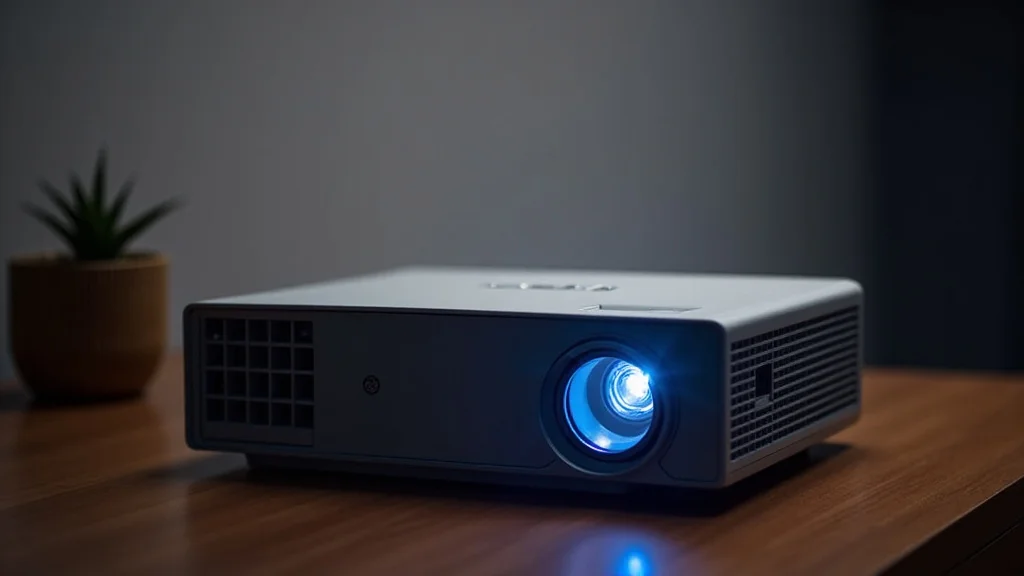
Picture this: you’re planning a backyard movie night. The snacks are ready, the blankets are comfy, but you’re missing one thing—a screen! The frustration of dealing with a bedsheet or the side of your house quickly fades when you find the right portable projector screen near me. This post will guide you through all the important considerations, helping you choose the best screen for your needs, whether it’s for an impromptu gathering or a more planned presentation. You’ll learn about different types, sizes, and factors that influence image quality, ensuring you get the most out of your projector. This post is your one-stop resource, saving you time and helping you make an informed decision for an amazing viewing experience.
Key Takeaways
- Discover the different types of portable projector screens available.
- Learn about the key factors influencing screen size and aspect ratio.
- Understand the importance of screen material and its impact on image quality.
- Find out how to choose the right screen based on your specific needs and environment.
- Explore tips for setting up and maintaining your portable projector screen.
- Get advice on where to search for your ideal portable projector screen near me.
Choosing the Right Portable Projector Screen
Selecting a portable projector screen isn’t just about finding the closest option; it’s about matching the screen to your specific viewing needs. Several factors influence your choice, including the type of screen, its size, the material, and the environment where you’ll be using it. Whether you are looking for something for outdoor movie nights, business presentations on the go, or family entertainment, a well-chosen screen significantly elevates your experience. Considering these aspects ensures you get the best possible image quality and ease of use.
Types of Portable Projector Screens
There are several types of portable projector screens, each with its own advantages and disadvantages. These various types are made with different purposes in mind, from quick setup for business trips to more permanent installations in homes or outdoor areas. The correct type will improve both the image quality and convenience.
- Tripod Screens: These screens are easy to set up and take down, making them great for presentations. They’re ideal if you need a screen that’s ready to go within minutes.
- Floor-Rising Screens: These screens rise from a base, providing a sleek look and are perfect for a home theater. They offer stability and can be a good solution for limited spaces.
- Pull-Up Screens: These screens are similar to roller blinds and can be mounted on a wall or ceiling. They are great for situations where space is at a premium and a more permanent installation is desired.
- Inflatable Screens: These are designed for outdoor use, providing a large screen surface for movies and events. They are usually simple to set up, using an air pump to inflate the frame.
Tripod screens offer a convenient, simple design for easy setup. They feature a stand that extends and supports the screen, offering adjustable height and stable footing. Their portability makes them suitable for a wide range of uses, from classrooms to small outdoor gatherings. The biggest benefit is the user-friendliness; the screen often rolls up into a compact size for easy storage and transportation, a good choice for someone looking for a portable projector screen near me.
Floor-rising screens provide a modern look as the screen unrolls from the base on the floor. This provides a clean aesthetic, ideal for environments where a fixed wall mount is not possible. They are particularly suitable for settings where you want to keep the equipment concealed when not in use. Some have tensioning systems to maintain a flat surface, offering excellent image quality. Their compact nature and ease of setup make them an excellent option.
Pull-up screens are an easy and convenient option, offering a balance between portability and ease of setup. They work similarly to a window shade, rolling up into a housing when not in use. This keeps the screen protected from dust and damage. They are frequently used in schools, offices, and homes for regular presentations or movie nights.
Inflatable screens are built specifically for outdoor events, offering a large viewing surface with simple setup. Using an air pump to inflate the frame, they are ready to go in minutes. These screens offer excellent visibility in outdoor environments, perfect for movies and presentations at night. The durable, weather-resistant materials make them stand up well to outdoor conditions.
Screen Size and Aspect Ratio Considerations
The screen’s size and aspect ratio must fit the location and the projector’s capabilities. Understanding the relationship between these factors and the viewing distance enhances the viewer’s experience. A screen that is the wrong size or aspect ratio can compromise image quality.
- Determining Screen Size: The size is determined by the viewing distance. The screen should be large enough to fill the viewer’s field of view without being too large, as this can cause eye strain. A general rule is to have the viewing distance be roughly 1.5 to 2 times the width of the screen.
- Aspect Ratio Choices: Aspect ratio refers to the shape of the screen. Common aspect ratios are 4:3 (for older content), 16:9 (for most modern movies and TV shows), and 16:10 (often used for business and presentations). Choosing the right aspect ratio will maximize the viewing experience.
- Projector Throw Distance: The distance between the projector and the screen affects the image size. Short-throw projectors can create large images from a close distance, while standard throw projectors require more space. Make sure to consider where you will place your projector and compare the throw distances of your projector and screens.
Calculating the correct screen size is crucial for an enjoyable viewing experience. A screen that’s too small may result in images that lack impact, while one too large can cause eye strain and loss of focus. Start by determining the typical viewing distance, then use this to estimate the size. Consider the space available, seating arrangement, and the projector’s throw ratio. The goal is to create an image that’s immersive without compromising comfort.
Aspect ratio selection is determined by the content being displayed. A 16:9 aspect ratio is great for most modern content and is considered the standard for movies and HD television. 4:3 is suitable for older content. Selecting the correct aspect ratio ensures that the image fills the screen correctly, without stretching or distorting the content. Consider the types of media you plan to watch the most when deciding on this.
The projector’s throw distance dictates how far away from the screen it needs to be to achieve a particular image size. Short-throw projectors work well in tight spaces, allowing for large images in smaller rooms. Standard throw projectors require more distance. Check the projector’s specifications, using online calculators to find the right screen size for your setup.
Screen Material and Image Quality
The screen material plays a vital role in determining image quality. It impacts how light reflects, influencing the brightness, contrast, and overall clarity of the image. The proper material will improve the viewing experience.
- Matte White Screens: Matte white screens provide a wide viewing angle and are good for general use. They provide excellent image quality for most settings and are a good all-around choice.
- Grey Screens: Grey screens improve contrast, making blacks appear deeper. They are very useful in rooms with some ambient light.
- Screen Gain: Screen gain refers to how well a screen reflects light. A gain of 1.0 reflects the light as it is, while a higher gain screen reflects light more intensely. High-gain screens can make images appear brighter, but they may reduce the viewing angle.
- Ambient Light Rejection (ALR) Screens: ALR screens are designed to reject ambient light, enhancing image quality in bright environments. These screens use a special material to absorb the light from overhead and side sources.
Matte white screens offer balanced color and excellent viewing angles. They scatter the light evenly, decreasing any hot-spotting or glare. They are versatile, working well in both darkened rooms and environments with some ambient light. Easy to clean and offering good image quality, this is an excellent choice for a wide range of uses, from movie nights to business presentations.
Grey screens are designed to improve contrast, particularly in rooms with some ambient light. They absorb ambient light, making blacks look deeper and colors more vivid. They aren’t as good as white screens for bright rooms but deliver a significant improvement in overall image quality for home theaters or environments with some light.
Screen gain is a key factor affecting image brightness and viewing angle. It’s the measurement of how the screen reflects light. A screen with a gain of 1.0 reflects light evenly, while screens with higher gains increase image brightness but may narrow the viewing angle. The choice depends on the room’s lighting conditions and seating arrangement, and can be critical to determining the right portable projector screen near me.
Ambient Light Rejection (ALR) screens are designed to improve image quality in environments with ambient light. ALR screens use a layered construction or textured surfaces to reflect light coming from the projector while absorbing light from other sources. These can dramatically improve contrast and color accuracy in rooms with indirect or direct lighting. They are frequently used in areas with unavoidable ambient light.
Setting Up Your Portable Projector Screen
Correct setup ensures a quality viewing experience. This includes careful positioning, proper alignment, and understanding of the surroundings. Thoughtful planning before installation greatly improves the overall experience.
- Screen Placement: Position the screen where it is easily viewed by all viewers. Ensure the viewing area is free of obstructions and that the screen is the correct distance from the seating area.
- Projector Alignment: Ensure the projector is correctly aligned with the screen. Use the keystone correction and focus features of your projector to make sure the image is rectangular and sharp.
- Environmental Factors: Reduce ambient light in the viewing area to enhance image contrast and clarity. Close curtains or use blackout shades, especially if you are using a standard screen in a bright environment.
Correct screen placement is critical for an optimal viewing experience. Consider where viewers will be seated, ensuring they have an unobstructed view. The screen should be at a height where everyone can see without neck strain. Ensure the screen is centered, level, and securely positioned. Take into account the room layout and the projector’s throw distance to place the screen for the best results.
Accurate projector alignment is a must for a well-presented image. Make sure the projector is level and centered with the screen. Use the keystone correction feature to square up the image if the projector is at an angle. Then adjust the focus until the image is sharp. Check for any distortions or blurry areas to guarantee the best possible picture.
Environmental factors impact image quality, with ambient light being one of the most critical. Reduce the amount of light in the viewing area to enhance the contrast and brightness of the image. Close curtains or use blackout shades. Position the screen to minimize any direct light sources. This results in a better viewing experience by reducing glare.
Maintenance and Care
Caring for your portable projector screen protects its lifespan and image quality. This involves periodic cleaning, appropriate storage, and the handling of the screen. Following these tips ensures that your screen remains in top shape for years to come.
- Cleaning: Use a soft, clean cloth to gently wipe the screen surface. Avoid harsh chemicals or abrasive materials that could damage the screen.
- Storage: When not in use, store the screen in a dry, protected place to prevent damage. Many portable screens come with storage cases or bags, use these for protection.
- Handling: Handle the screen with care, avoiding sharp objects and excessive bending. Ensure to be careful when setting it up and taking it down.
Clean your projector screen on a regular basis to eliminate dust, smudges, and fingerprints that can diminish image quality. Use a soft, microfiber cloth and lightly wipe the surface. Steer clear of harsh cleaning agents or abrasive materials, which can damage the screen’s surface. Regular, gentle cleaning ensures the image quality is optimized.
Proper storage is essential to preserving the screen and extending its lifespan. When not in use, store the screen in a dry, safe location away from extreme temperatures and humidity. If your screen includes a storage case, use it to protect the screen from dust and accidental damage. Correct storage prevents warping, scratches, and damage.
Handle your portable projector screen carefully to protect it from any damage. Prevent scratches or tears by avoiding contact with sharp objects or rough surfaces. When setting up or taking down the screen, do so carefully to avoid bending or folding it in ways that could damage the surface. Be careful when transporting your screen and packing it correctly for travel.
Finding a Portable Projector Screen Near Me
Locating a portable projector screen close to you requires research and exploring different resources. There are many options, from specialized retailers to large online marketplaces, providing several choices to find a screen.
- Local Electronics Stores: Start by searching local electronics stores or audio/video retailers to view screens in person. Check their website to confirm inventory and screen availability.
- Online Marketplaces: Browse online marketplaces like Amazon, eBay, or dedicated projector screen websites. Compare prices, read reviews, and examine specifications.
- Specialty Retailers: Look at specialty retailers that focus on home theater or presentation equipment. They provide an array of high-quality products.
Local electronics stores are a perfect starting point, as they allow you to see and feel the products firsthand before buying. Look at what is in stock at your local stores, as it allows you to compare different models, screen types, and sizes. Discuss your specific needs with the store associates, so they can guide you towards the right portable projector screen near me. If possible, ask for a demonstration to assess the image quality. Some stores offer installation services. Be prepared to compare prices and warranties.
Online marketplaces offer a wide selection and competitive pricing, making them a great resource. Compare prices, specifications, and customer reviews. Check for the best deals, discounts, and return policies. Make sure to buy from a reputable seller to ensure product quality and customer service. Read product descriptions carefully and pay close attention to the features and specifications that are important to your use case. It is very easy to find a portable projector screen near me using this method.
Specialty retailers are perfect for those who are serious about audio-visual equipment, because they offer a selection of higher-end products. Often, they have expert staff who can offer informed advice. They often offer higher-quality screens, more advanced features, and a greater emphasis on customer service. Some offer demonstration setups in the store, allowing you to experience the products before purchase. Consider factors like price, warranty, and available customer support.
Myth Debunking
Myth 1: Any Wall Will Work as a Projector Screen
Many believe that any wall will work equally well for projection. However, the truth is that wall surfaces vary greatly. Unsuitable walls can negatively affect image quality. A proper screen, with the right surface, ensures consistent and enhanced viewing.
Myth 2: Higher Screen Gain Is Always Better
Some people think that screens with the highest gain are always superior. While a higher gain results in a brighter image, it narrows the viewing angle. The best screen gain relies on the specific environment, ensuring the viewing angle is suitable for your setting.
Myth 3: All Portable Screens Are the Same
The assumption that all portable projector screens are the same is incorrect. Differences exist in material, size, and portability. The most useful portable projector screen should be selected for the intended setting, considering image quality and ease of use.
Myth 4: A Bright Room Makes Projectors Useless
Many believe projectors are only useful in dark rooms. Though low lighting is ideal, the correct screen (like ALR) can make them viable even in brighter conditions. The choice of screen materials is important for improving the contrast and brightness of the image.
Myth 5: Bigger Is Always Better for Screen Size
Some individuals believe that a bigger screen is always better. However, the optimal screen size depends on the viewing distance and room size. A screen that is too large can lead to eye strain and reduce image quality, while a screen that is too small might not be immersive.
Frequently Asked Questions
Question: What is the best aspect ratio for a portable projector screen?
Answer: The most suitable aspect ratio hinges on the content you mainly watch. 16:9 is ideal for most modern movies and TV, while 4:3 is better for older content. Consider your viewing preferences when making the selection.
Question: How do I clean my projector screen?
Answer: Use a soft, clean, microfiber cloth to gently wipe the screen’s surface. Refrain from harsh chemicals or abrasive materials that might damage it. Regular, gentle cleaning preserves image quality.
Question: Can I use a projector screen outdoors?
Answer: Yes, you can use projector screens outdoors. Ensure you choose a screen intended for outdoor use, and select a location that reduces the direct sunlight.
Question: What is screen gain, and why is it important?
Answer: Screen gain measures the ability of a screen to reflect light. A higher gain may brighten the image, but it can restrict the viewing angle. Make sure you select the proper gain for your setting.
Question: How do I choose the correct screen size for my room?
Answer: The perfect screen size relies on the viewing distance and the layout of the room. A general rule is to have the viewing distance be about 1.5 to 2 times the width of the screen. Make sure the screen suits the space and viewer comfort.
Final Thoughts
Finding the ideal portable projector screen near me can greatly enhance your viewing experiences. It is more than just selecting a screen; it’s about matching the screen to your viewing preferences and surroundings. From tripod screens ideal for business presentations to the inflatable screens excellent for outdoor movie nights, there’s a screen for every need. By considering factors like screen type, size, material, and placement, you can improve image quality and make every presentation or movie night better. Don’t hesitate to explore different local stores or online marketplaces, comparing features, prices, and customer reviews. Careful planning and choosing the right accessories will help you transform any space into a perfect venue for watching movies or delivering presentations. Embrace the potential, explore the options, and elevate your viewing experiences.